Work I have anchored here
Direct engagements with enterprise teams at a global asset manager and at a national transport body, both anchored in Leeds operations.
Practical AI consulting for teams that want useful systems, not a folder full of prompts. For Leeds teams, the value is in making the work specific: where the data comes from, who reviews it and what the first useful version should do.
Leeds has a serious finance, professional services and digital cluster. Teams here often go looking for a consultancy, but what most actually need is senior consultant time with governance built in: clear sources, clear approvals, clear handover that survives a procurement and a risk review.
Direct engagements with enterprise teams at a global asset manager and at a national transport body, both anchored in Leeds operations.
Leeds finance and infrastructure teams operate inside heavy compliance frameworks. The useful work here is the kind that survives a procurement and a risk review.
Day on-site quarterly or for specific compliance and strategy sessions. Otherwise remote with documented handover.
Strong digital agency presence (Branded3, Epiphany alumni shops, others), but enterprise teams in Leeds often want senior independent input alongside their agency.
I help map the work, choose the first sensible use case, build the workflow and leave the team with clear rules.
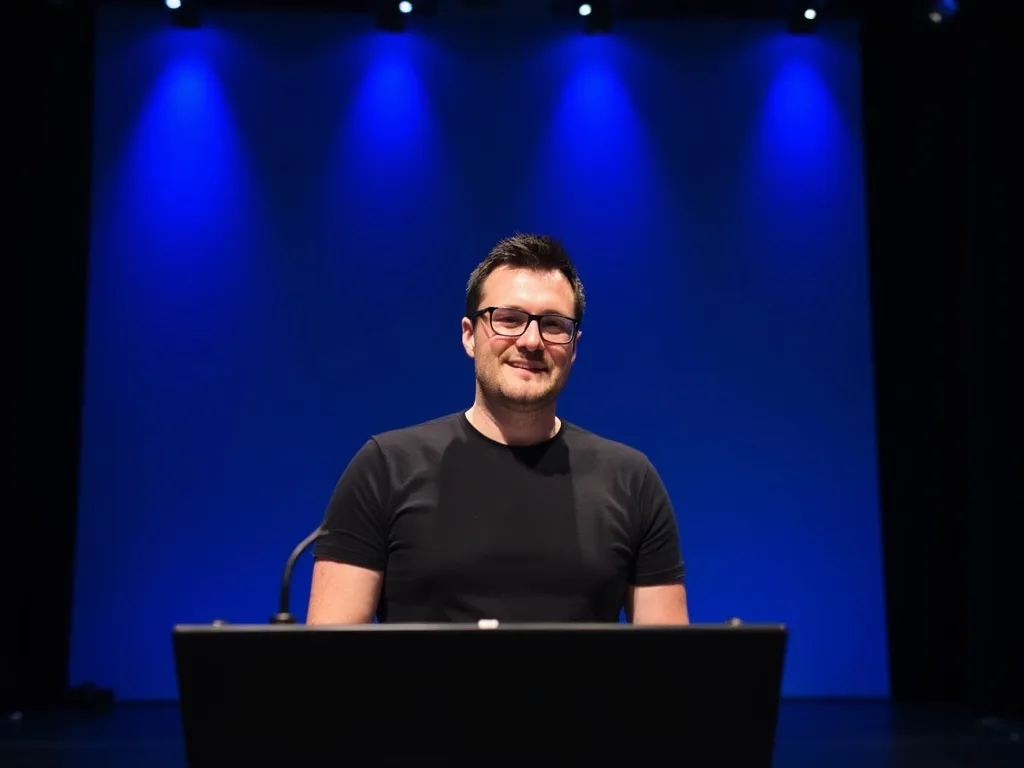
The work is not a bundle of prompts. It is a decision about where AI belongs, what information it can use, who checks the output and how the team keeps the system tidy after the first version.
The patterns I see most before the work starts. If two of these sound familiar, the first review call is usually worth the time.
The team can see potential, but nobody has narrowed it into one useful workflow with clear boundaries.
Outputs change because the inputs, examples and review rules are not documented well enough.
AI sits between marketing, operations and leadership, so decisions slow down or become tool-led.
The business needs source checks, human review and sensible limits before AI can become useful.
I help choose the AI project that is worth doing first, then define what the system should and should not do.
That means mapping the work, setting source rules, building the first workflow and keeping human review where it matters.
The result is a controlled AI process your team can use without guessing the method each time.
Start with the repeated work, the risk level and the people who need to trust the output.
Define approved inputs, review points, source checks and what the workflow must avoid.
Prompts, examples, handoffs and checks joined into one usable operating model.
Handover notes and review habits so the system can improve without becoming loose.
Two examples of the shape this work takes. Real engagements, anonymised. Not every project looks like these, but the discipline is the same.

The team wanted AI support, but every idea was too broad. The first useful project became a research workflow with approved sources, summary rules and human review before anything reached a brief.
// outcome The team gets a repeatable research pack instead of a loose chat history.

Leadership needed AI use to move without creating risk. The work became a practical operating guide: what AI can draft, what it cannot touch and where people must check the output.
// outcome AI becomes usable because the boundaries are clear.
Book a review call. We will look at the work, the risk and the first sensible step before agreeing anything.
Book a review